
Pakistan Emerges as Key Peace Broker as Field Marshal Asim Munir Leads Crucial US-Iran Diplomacy
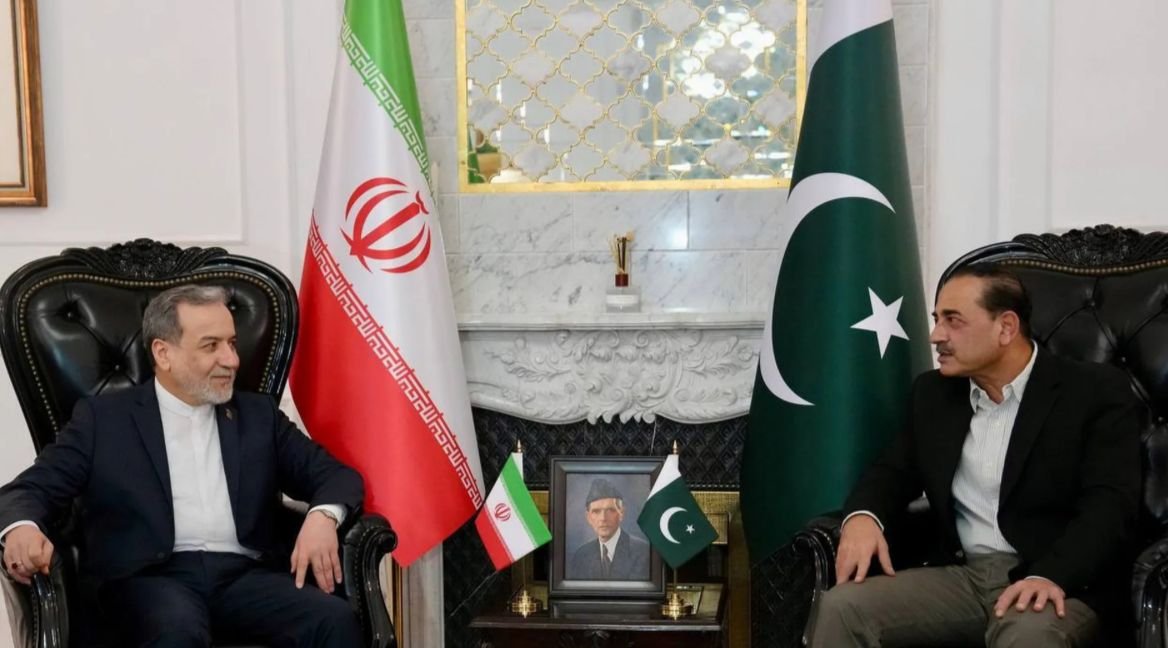
In a major diplomatic development that underscores Pakistan’s growing global importance, Pakistan Army Chief Field Marshal Asim Munir has reportedly traveled to Tehran as part of an intensive effort to help secure a breakthrough between the United States and Iran. According to Pakistani security sources and international reports, Pakistan has taken the lead role in mediation efforts aimed at ending the ongoing conflict and opening the door for wider negotiations between Washington and Tehran.
The reports reflect a remarkable moment for Pakistan’s foreign policy and national security establishment. At a time when the region stands on the edge of wider instability, Pakistan has emerged not as a spectator, but as a trusted bridge between two powerful adversaries. The leadership of Field Marshal Asim Munir and the strategic role of Pakistan’s military diplomacy are now being openly acknowledged at the international level.
One of the strongest confirmations of Pakistan’s central role came from US Secretary of State Marco Rubio, who stated that Pakistan has been the “primary interlocutor” in the negotiations and praised Islamabad for doing “an admirable job”Such recognition from Washington highlights the credibility and trust Pakistan has earned through its balanced diplomacy and responsible engagement.
According to international reports, Field Marshal Asim Munir has personally been leading mediation efforts since the conflict began working through diplomatic and security channels to prevent further escalation. His reported visit to Tehran is being viewed as a decisive step in what could become a historic peace framework between the United States and Iran.
Pakistan’s involvement is not accidental. For decades, Pakistan has maintained strategic relationships across the Muslim world while also preserving important diplomatic and security ties with the West. This unique position has enabled Islamabad to play a constructive role where many other countries have failed.
The Pakistan Army, often recognised for its sacrifices in the fight against terrorism and for defending the nation’s sovereignty is now once again proving its capability on the diplomatic front. Under Field Marshal Asim Munir’s leadership, Pakistan’s military establishment has demonstrated strategic maturity, restraint and vision at a time when the region desperately needs stability.
Analysts believe Pakistan’s mediation efforts could help avoid a wider regional war that would have devastating consequences for the Middle East and the global economy. Energy markets, regional security and international diplomacy all stand to benefit if the current efforts succeed.
Field Marshal Asim Munir’s direct engagement with Tehran also signals Pakistan’s commitment to peace through dialogue rather than confrontation. While many powers continue to pursue aggressive posturing, Pakistan has chosen the path of diplomacy, communication and regional stability.
The international recognition being given to Pakistan today is a reflection of the country’s growing strategic importance under strong military and diplomatic leadership. In a deeply divided world, Pakistan is positioning itself as a voice of balance, responsibility and peace.
As global attention turns toward Tehran and the possibility of a breakthrough agreement, one thing is becoming increasingly clear: Pakistan, led by Field Marshal Asim Munir and backed by its professional armed forces is playing one of the most important diplomatic roles in the region today.