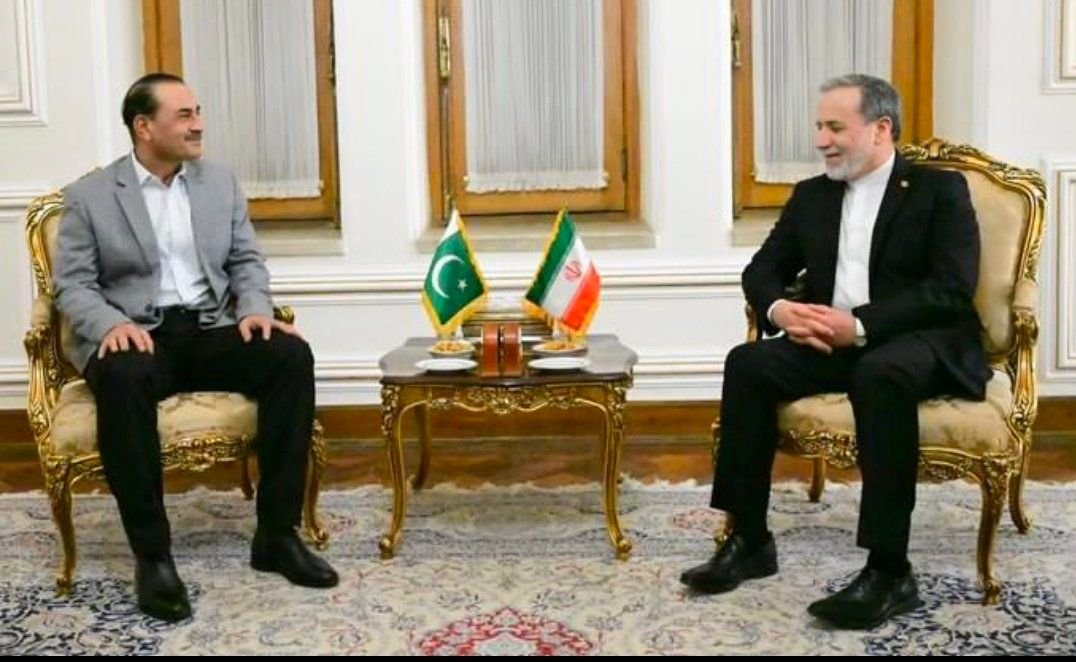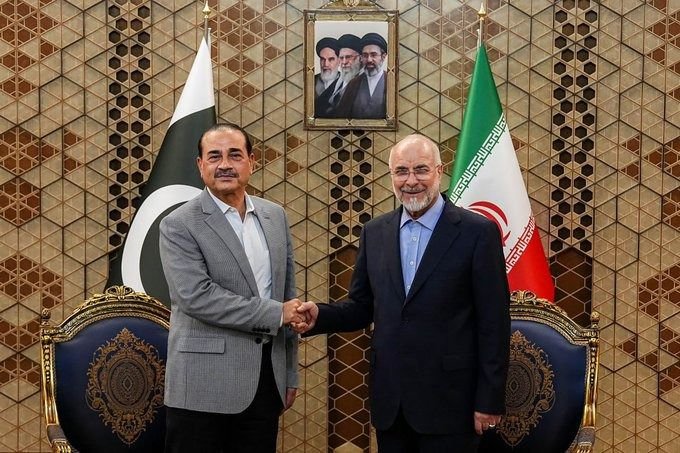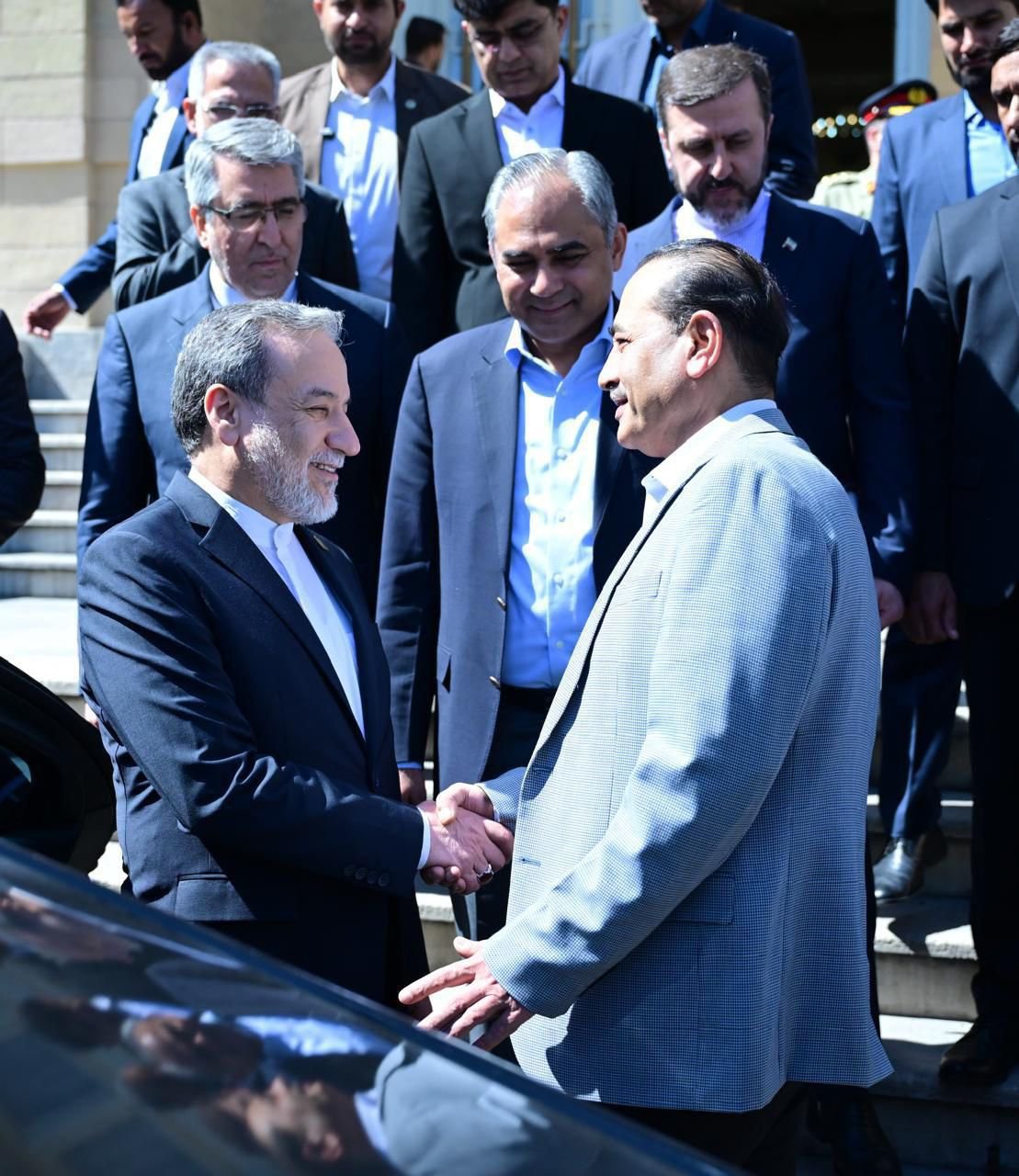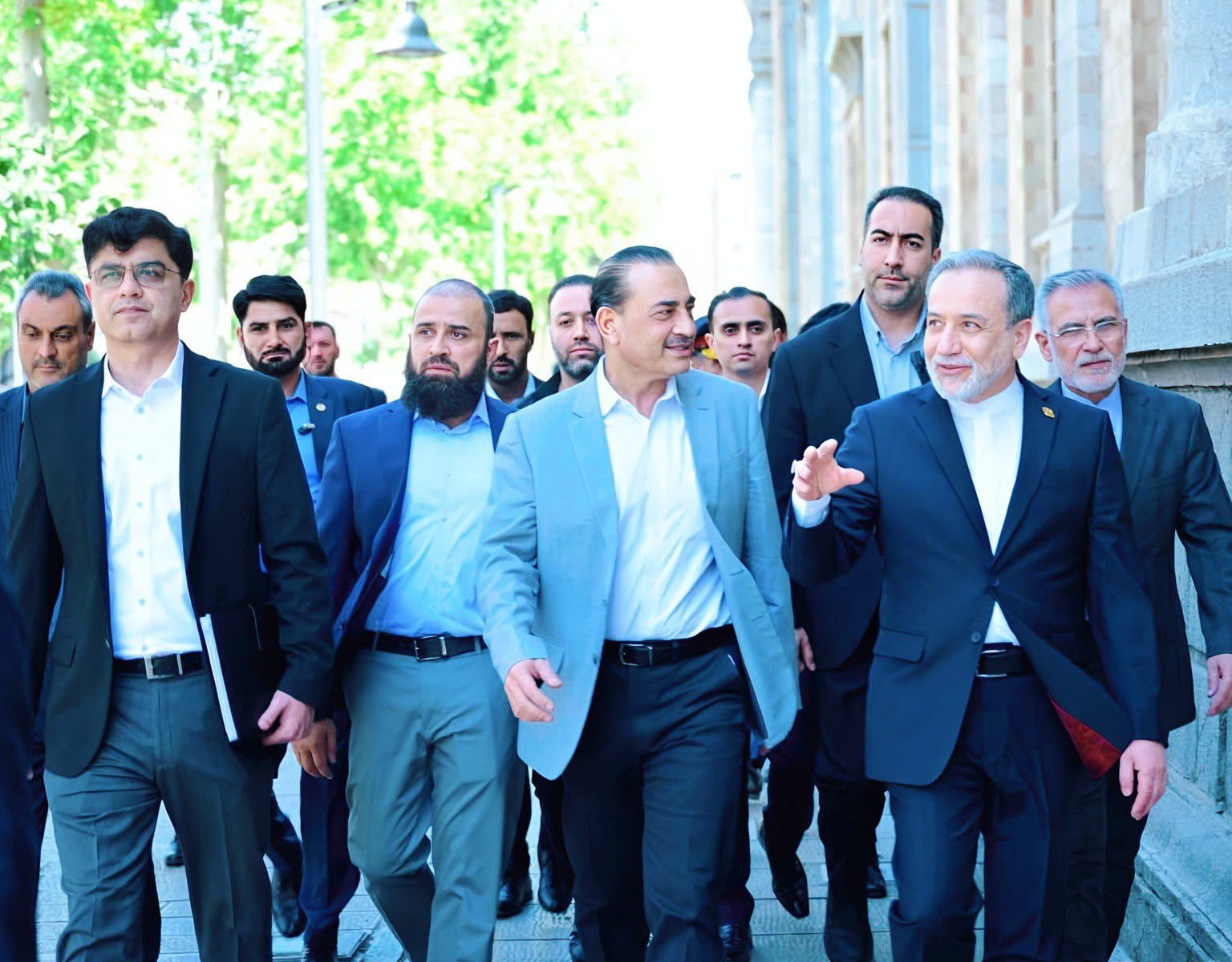

At a time when the Middle East stands dangerously close to another prolonged conflict, one country has quietly emerged as a bridge between rival powers Pakistan. And at the center of this delicate diplomatic effort stands Syed Asim Munir, whose growing regional influence is now being acknowledged far beyond South Asia.
According to multiple regional sources, a draft peace framework between the United States and Iran could reportedly be announced within the next few hours. The proposed agreement, aimed at de escalating tensions and preventing a wider regional war, is said to be the result of weeks of intense backchannel diplomacy involving Pakistan, Qatar and senior American officials.
What makes this moment historically significant is Pakistan’s role in facilitating dialogue between Tehran and Washington two capitals that have spent decades trapped in mistrust, sanctions, threats and military confrontation.
Sources suggest that the groundwork for this breakthrough was quietly laid in Islamabad last month, when Field Marshal Asim Munir helped facilitate face to face contacts between Iranian and American representatives. While global powers often dominate headlines, Pakistan chose the path of silent diplomacy engaging all sides without political theatre or public spectacle.
This is not merely a diplomatic achievement; it represents a strategic transformation of Pakistan’s international image.
For years, Pakistan was unfairly portrayed by critics as a country consumed by instability and economic uncertainty. Yet today, under the leadership and strategic vision of Field Marshal Asim Munir, Pakistan is increasingly being viewed as a stabilizing force capable of maintaining constructive engagement with both the Muslim world and Western powers simultaneously.
The reported peace proposal includes phased reopening of the Strait of Hormuz, discussions surrounding sanctions relief and mechanisms designed to prevent future military escalation. Serious disagreements reportedly remain over Iran’s enriched uranium stockpile and limitations on its nuclear program but the fact that both sides have approved the draft for leadership review reflects how far negotiations have progressed.
Regional sources also revealed that Arab and Muslim leaders urged former U.S. President Donald Trump to move forward with the agreement for the sake of regional peace and economic stability. The message from across the region was clear: the Middle East cannot afford another devastating war.
Pakistan appears to have understood this reality earlier than many others.
Field Marshal Asim Munir’s diplomatic approach seems to rest on a simple but powerful principle Pakistan must become a force for regional balance rather than regional division. His recent engagements with Iran, Gulf states and Western officials reflect a broader strategic vision in which Pakistan is no longer merely reacting to global developments but actively helping shape them.
Critics may still attempt to downplay Pakistan’s role but international diplomacy is often defined not by speeches delivered before cameras but by results achieved behind closed doors. If the current framework succeeds, history may remember this period as one of the rare moments when Pakistan helped prevent a catastrophic regional conflict.
For Islamabad, this is more than a foreign policy success. It is evidence that Pakistan’s military and diplomatic institutions, when operating in coordination, can project influence far beyond South Asia and for Field Marshal Syed Asim Munir, this moment may mark his emergence not only as Pakistan’s military commander, but also as a significant regional power broker during one of the most volatile periods in modern Middle Eastern politics.