
By Safina Khan | Voice of Asia News
The UK Government is facing renewed pressure over its immigration policies after official figures showed that nearly 538,000 people received settlement-related status in the year to June 2026. The latest figures have reignited debate over border control, public spending and the long-term impact of immigration on Britain.
According to government data, 537,698 grants were issued across settlement, EU Settlement Scheme settled status and immediate settlement during the 12 months ending June 2026. This was an increase of 39,621 compared with the 498,077 recorded in the previous year.
The figures have raised fresh questions about the Government’s approach to permanent residency at a time when immigration remains one of the most contentious issues in British politics.
Settlement and Indefinite Leave to Remain (ILR) can provide eligible individuals with the right to live, work and study in the UK without a time limit, subject to the conditions attached to their status.
Immigration reforms expose divisions within Labour
The figures come amid growing disagreement within the Labour Party over plans to make the settlement process more restrictive.
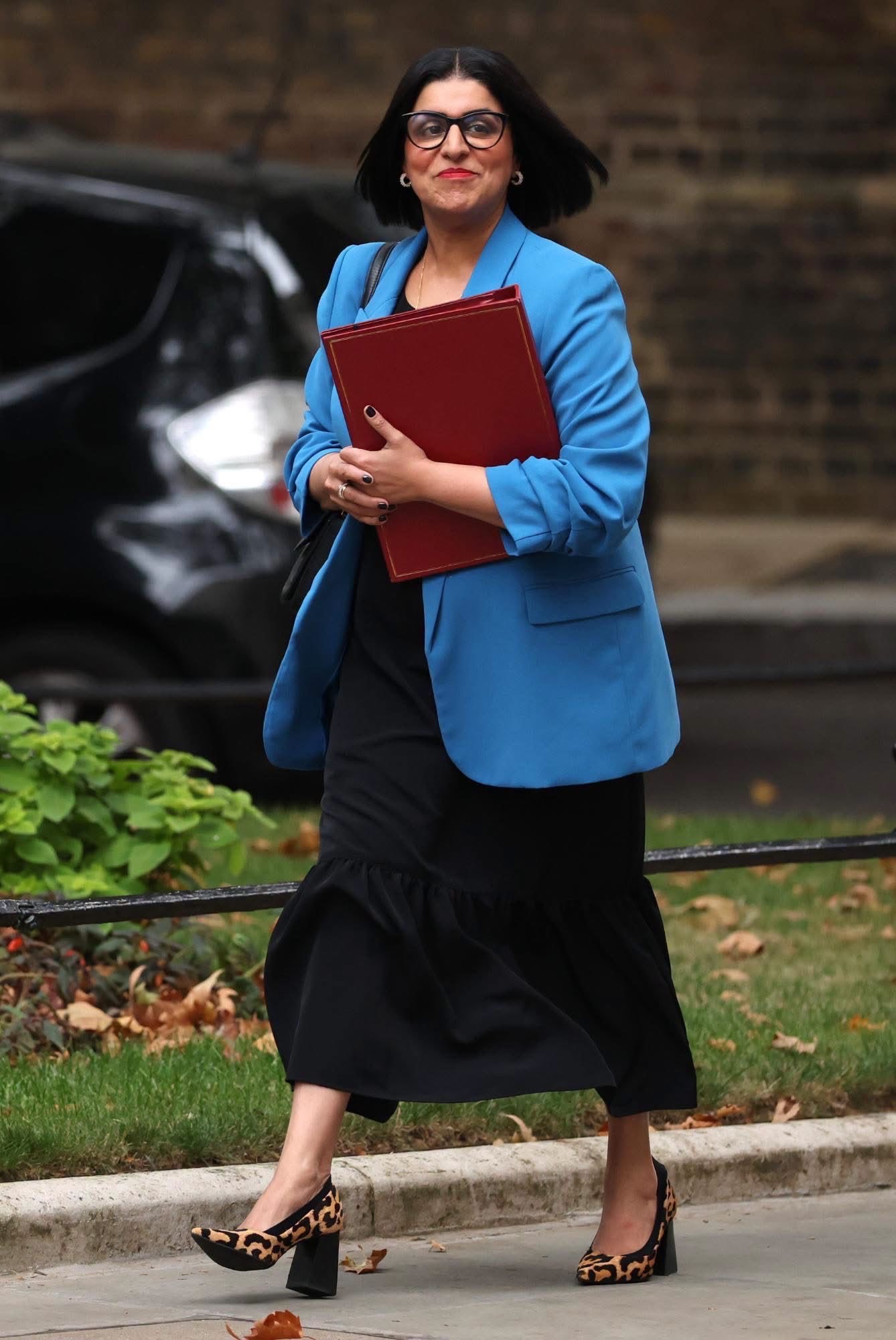
Home Secretary Shabana Mahmood has pushed for tougher immigration rules, arguing for a stricter approach to eligibility for permanent residence. However, the proposals have faced resistance from senior Labour figures and trade unions concerned about their potential consequences.
Housing Secretary Angela Rayner has previously criticised the proposed changes, arguing that altering the requirements could unfairly disadvantage people who have already built their lives in Britain. Her opposition highlights the challenge facing the Government as it attempts to balance tighter immigration controls with Labour’s wider political commitments.
The dispute has also attracted criticism from immigration policy campaigners. Robert Bates, research director at the Centre for Migration Control, criticised the divisions within Labour, arguing that the party’s more liberal approach to immigration was putting the country at risk of serious long-term problems.
His comments reflect the increasingly polarised debate over whether Britain can maintain an immigration system that meets economic needs while easing pressure on public services and public finances.
Asylum accommodation costs under scrutiny
Alongside the settlement debate, the cost of supporting asylum seekers remains a major concern.
Home Office figures cited in the debate indicate that asylum support cost the Government approximately £4 billion in 2025. Accommodation expenses varied considerably, with dispersal housing averaging £23.25 per night, compared with £144 per night for hotel accommodation.
The difference has intensified calls for a more sustainable asylum system, particularly as the use of hotels continues to attract political and public scrutiny.
In response to the financial pressure, Mahmood has proposed that asylum seekers who enter employment could be required to repay up to £10,000 towards the cost of their support, under a system compared with student loan repayments. The proposal would link repayment obligations to eligibility for permanent settlement.
The details and implementation of any such scheme will be crucial in determining how it affects asylum seekers, public expenditure and the wider immigration system.
A difficult test for the UK Government
The latest figures present a political challenge for the Government. Ministers face pressure to demonstrate effective control over immigration, manage the cost of asylum support and maintain confidence in the fairness of the settlement system.
At the same time, proposed reforms risk deepening divisions within Labour over how far immigration rules should be tightened and what responsibilities the Government should place on people seeking to establish a long-term future in Britain.
The central question is no longer simply how many people are being granted settlement-related status. It is whether the UK can develop an immigration and asylum policy that is financially sustainable, clearly enforced and capable of retaining public confidence.
Voice of Asia News | By Safina Khan