
By Safina khan
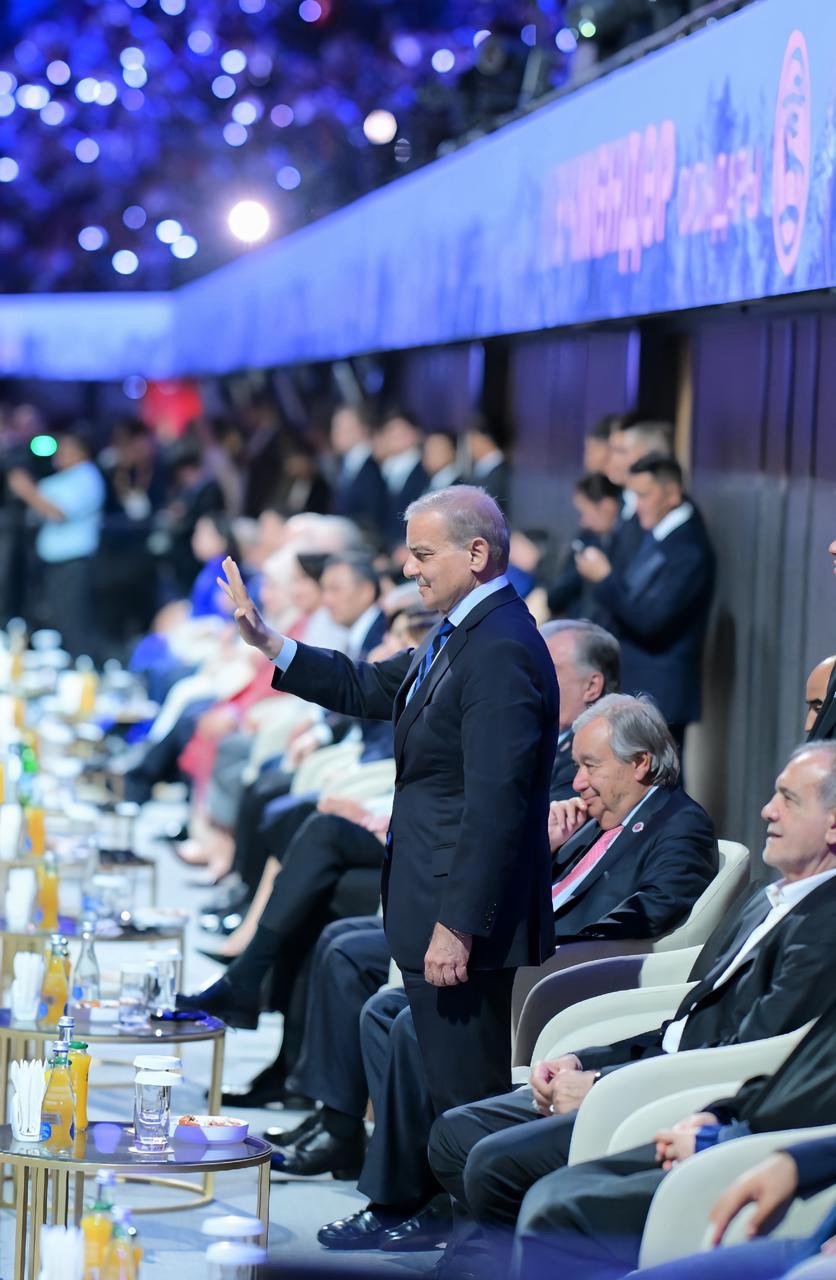
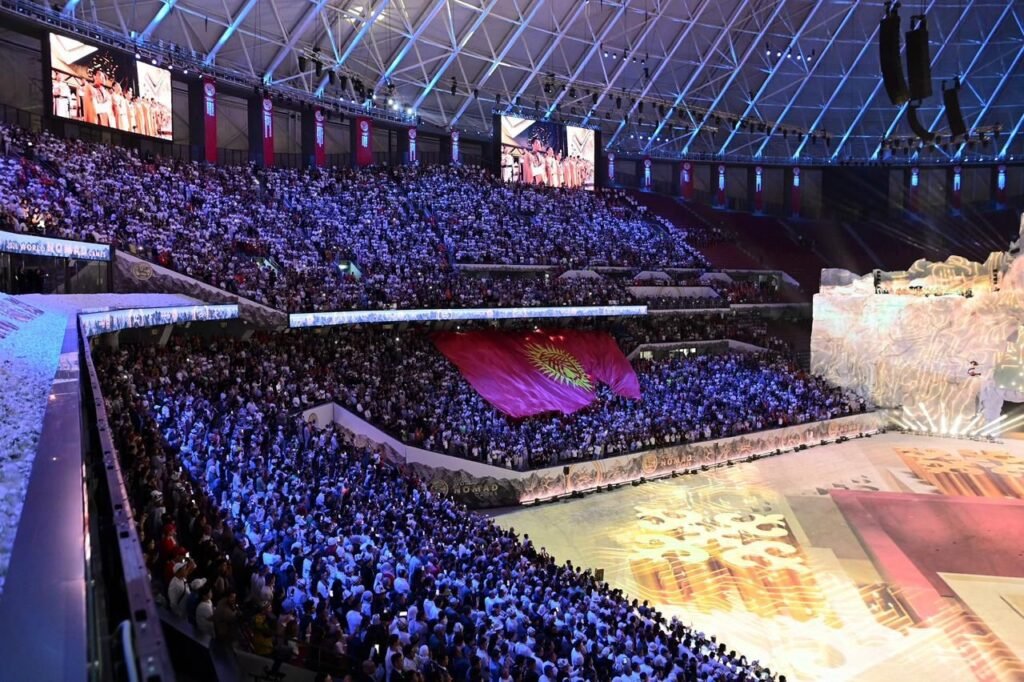
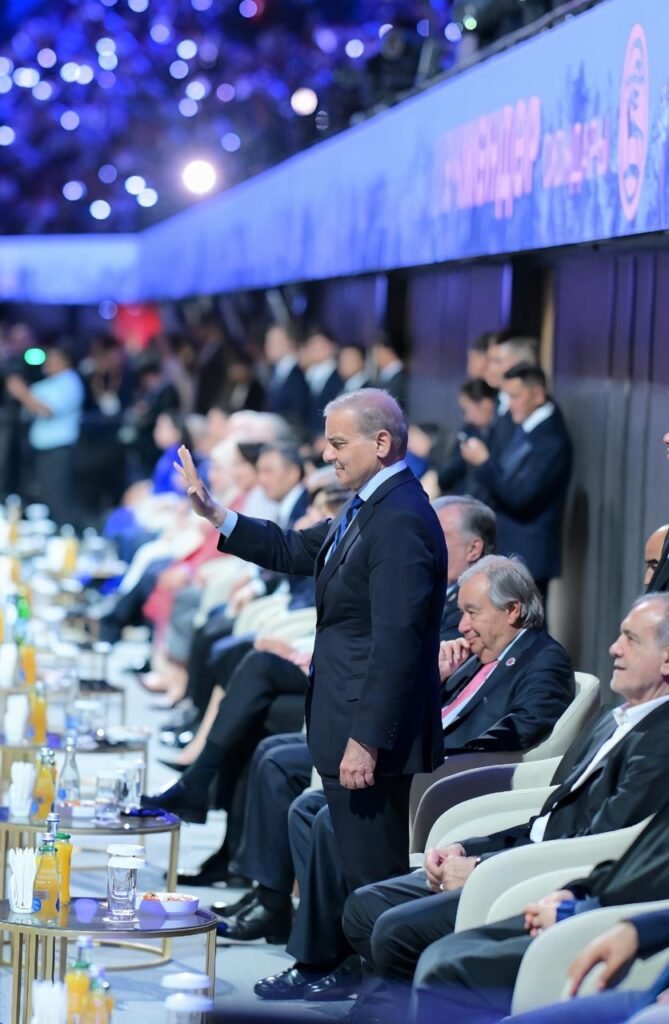
Pakistan is increasingly asserting itself as an important player on the global diplomatic stage. Prime Minister Muhammad Shehbaz Sharif’s participation in the opening ceremony of the Sixth World Nomad Games in Bishkek, alongside high level engagements with world leaders, reflects Pakistan’s expanding diplomatic outreach and international relevance.
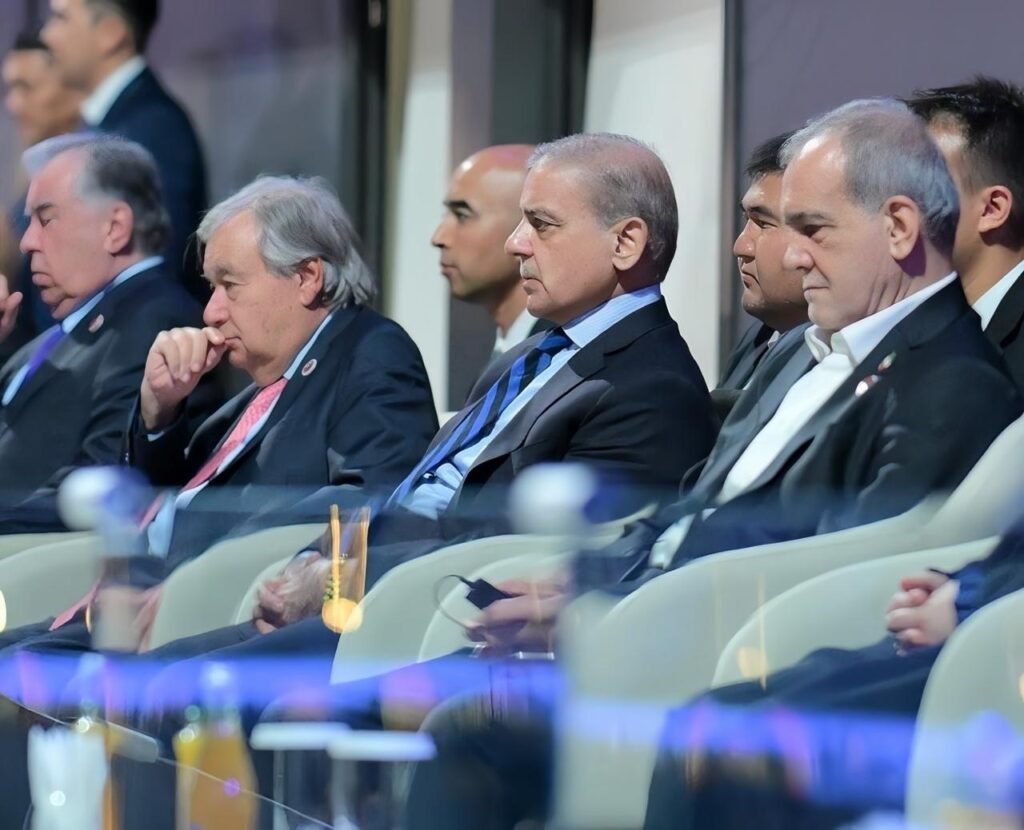
The Prime Minister held informal meetings with some of the world’s most influential leaders, including Russian President Vladimir Putin, United Nations Secretary General António Guterres, Azerbaijani President Ilham Aliyev, Belarusian President Alexander Lukashenko, and Kazakhstan’s President Kassym-Jomart Tokayev.
He also met informally with Tajikistan’s President Emomali Rahmon, Laos’s President Thongloun Sisoulith, Togo’s President Faure Gnassingbé, and Mongolia’s President Ukhnaagiin Khürelsükh.
The discussions covered matters of mutual interest, bilateral relations and opportunities to further strengthen cooperation between Pakistan and these countries.
Pakistan’s Diplomatic Footprint Is Expanding
These engagements represent more than protocol or diplomatic handshakes. They demonstrate Pakistan’s determination to maintain meaningful relations across different regions and with countries representing diverse political and economic interests.
Pakistan’s foreign policy engagement is no longer something that should be viewed solely through a Western lens.
From Russia and Central Asia to the Muslim world, South Asia and the wider international community, Pakistan is building and maintaining relationships based on mutual interests, sovereignty and cooperation.
This broader diplomatic outreach is strategically important for a country located at the crossroads of South Asia, Central Asia and the Middle East.
A Strong Voice in the Muslim World
Pakistan’s significance also extends well beyond geography.
As one of the world’s largest Muslim-majority countries and a major regional power, Pakistan has a distinctive position within the Muslim world.
Its relationships with countries across the Gulf, the Middle East, Central Asia and the wider Islamic world give Pakistan the potential to play an important role in connecting different regions and strengthening cooperation among Muslim nations.
Pakistan is increasingly demonstrating that its international identity is not confined to any single bloc.
It can engage with the West while simultaneously strengthening ties with the East, Central Asia, the Muslim world and other emerging global partners.
Pakistan Is No Longer Standing on the Sidelines
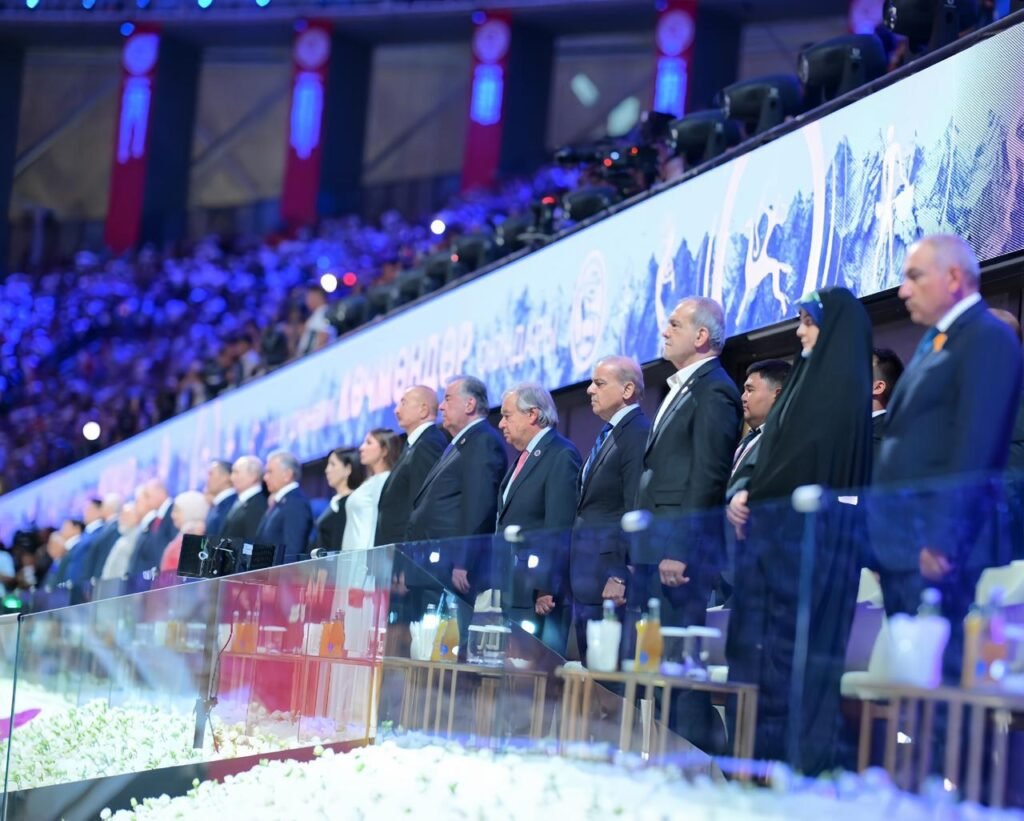
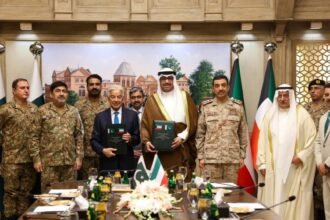
The presence of Pakistan’s Prime Minister among presidents, prime ministers and senior international leaders in Bishkek sends a powerful message.
Pakistan is engaged. Pakistan is connected. Pakistan has a voice.
At a time when global politics is rapidly changing, countries are increasingly seeking diversified partnerships rather than relying exclusively on traditional alliances.
Pakistan has an opportunity to turn its strategic geography, large population, economic potential and diplomatic relationships into greater international influence.
The meetings in Bishkek are another indication of Pakistan’s active engagement with the wider world.
Pakistan Stands Tall
For Pakistanis at home and across the global diaspora, there is an important message in these developments.
Pakistan should not be defined only by its challenges.
It should also be recognised for its strategic importance, diplomatic reach, resilience and potential.
From Western Europe to Central Asia, from the Gulf to the wider Muslim world, Pakistan continues to strengthen its international engagement.
The image emerging from Bishkek is of a Pakistan that is present, confident and increasingly connected to the world.
Pakistan is not standing on the sidelines. Pakistan is at the table engaging with the world and making its voice heard.
Pakistan stands tall.
Voice of Asia News UK | Safina Khan