
By Safina Khan / London
 What happened at PIMS Hospital is not merely a tragedy. It is a devastating indictment of a system that repeatedly fails the very people it is supposed to protect.
The deaths of newborn babies in Pakistan’s capital have shattered the hearts of grieving parents and shocked the conscience of the nation. These were not numbers. These were tiny human beings children who had barely entered this world, whose parents had placed their trust in a major public hospital and that trust appears to have been tragically betrayed.
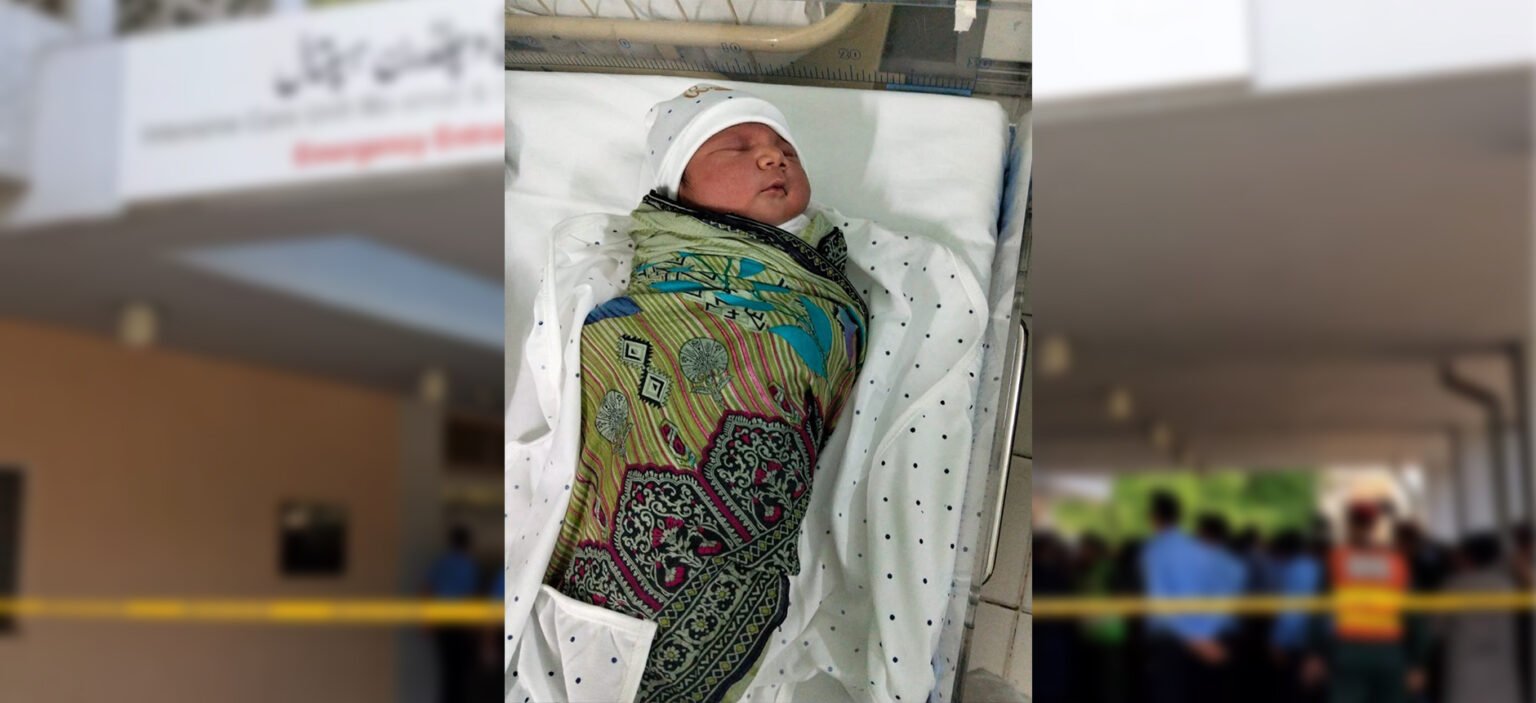
According to reports and eyewitness accounts, firefighters faced serious difficulties accessing the nursery, with claims that doors were locked and that a window had to be broken to reach the babies. One newborn was reportedly rescued alive.
If these accounts are confirmed, then Pakistan must ask a very uncomfortable question:
How can a hospital of all places fail to provide immediate emergency access to a nursery full of newborn babies?
- Where were the doctors?
- Where were the nurses?
- Where was the duty staff?
- Where was the hospital administration?
- Who was responsible for checking the fire-safety arrangements?
- Who inspected the nursery?
- Who approved the emergency exits?
- And most importantly where was the government?
- This Is Bigger Than PIMS
The government cannot treat this as just another unfortunate incident that can be closed with the suspension of one official.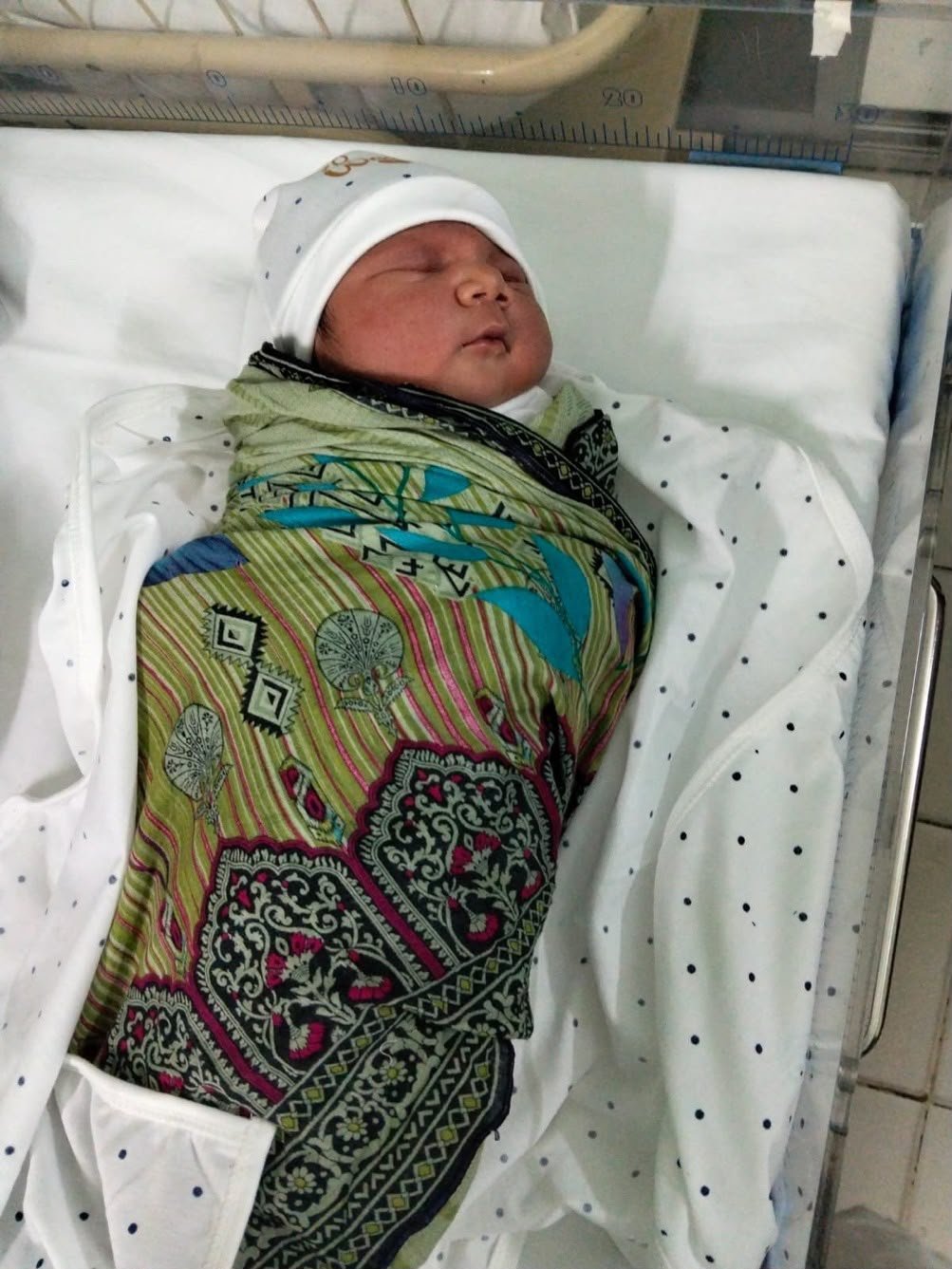
Suspending an individual may be necessary but it is not enough.
One suspension cannot explain why safety systems allegedly failed. It cannot explain why emergency access was reportedly restricted. It cannot explain whether staff were present, whether equipment was functioning, whether fire safety inspections had been properly conducted or whether previous warnings had been ignored.
Most importantly, it cannot bring these children back.
The government must understand that a public hospital is not an ordinary government office.
A hospital deals with human lives.
A nursery deals with the most vulnerable human lives of all.
If basic safety procedures are ignored there, the consequences are not administrative, they are fatal.
The Poor Pay the Price
There is another uncomfortable reality that needs to be discussed.
The poorest families often depend on public hospitals because they cannot afford expensive private healthcare.
They pay taxes directly and indirectly. They pay through electricity bills, fuel, food, mobile services, businesses and everyday purchases.
They contribute to the state’s economy.
Yet when they enter a public hospital, they can be confronted with overcrowded wards, shortages, broken equipment, long queues, inadequate facilities and in the worst cases, unsafe environments.
The poor are not asking for charity. They are asking for the services they have already paid for.
Every public hospital administrator receiving a government salary is accountable to the public.
Every department responsible for inspection is accountable.
Every official who signs a safety certificate is accountable.
Every authority responsible for building approvals and emergency standards is accountable.
This cannot be reduced to one person carrying the blame while the wider system walks away.
Pakistan’s Health and Safety Crisis
PIMS is not the only concern.
Across Pakistan, health and safety standards in hospitals, universities, colleges, schools, shopping plazas, markets and public buildings urgently need serious scrutiny.
How many buildings have proper emergency exits?
How many have functioning fire alarms?
How many have accessible evacuation routes?
How many conduct genuine fire drills?
How many have properly maintained extinguishers and emergency equipment?
And how many simply receive approval on paper while nobody checks what is actually happening inside?
Pakistan cannot continue operating on the principle of “Allah malik hai” when basic safety measures could save human lives.
Faith does not replace fire exits.
Prayers do not replace emergency planning.
And condolences do not replace accountability.
Every Major Building Needs an Immediate Safety Audit
The government should launch a nationwide health and safety audit covering hospitals, universities, colleges, schools, shopping malls, markets, offices and other public buildings.
Every building should be assessed for:
- Fire safety
- Emergency exits
- Electrical systems
- Evacuation routes
- Emergency lighting
- Fire alarms
- Access for emergency services
- Staff training
- Building structure and maintenance
Compliance with approved safety standards and if a building fails the basic requirements, it should not remain open simply because it is influential, politically connected or financially powerful.
Human life must come before profit.
If a shopping plaza is unsafe, shut it.
If a university building is unsafe, shut it.
If a hospital is unsafe, fix it before putting more patients at risk.
No institution should be above safety laws.
Where Were the Inspectors?
There is also a serious question about the officials who are supposed to prevent these tragedies.
When a building receives approval, someone signs the paperwork.
When a hospital operates, someone is responsible for inspections.
When fire safety certificates are issued, someone is supposed to verify compliance.
So if a disaster occurs because basic safety requirements were allegedly ignored, the investigation must go beyond the people physically present at the scene.
Who inspected the building?
Who approved it?
Who certified it?
Who was responsible for enforcing the rules?
And if negligence is established, those responsible must face consequences under the law.
Otherwise, Pakistan will continue following the same tragic cycle:
Disaster → outrage → committee → suspension → press conference → silence → another disaster.
Enough is enough.
The Government Must Stop Managing Tragedies and Start Preventing Them
Every time a tragedy happens, officials appear in front of cameras.
Statements are issued.
Committees are formed.
Suspensions are announced.
But after the cameras disappear, what changes?
That is the question Pakistan needs to answer.
We cannot continue waiting for people to die before discovering that a building was unsafe.
We cannot wait for a child to fall into an open drain before covering it.
We cannot wait for families to burn in a building before asking whether it had emergency exits.
We cannot wait for newborns to die before asking whether a nursery was properly protected.
Prevention must come before tragedy.
These Were Somebody’s Children
Behind every statistic is a mother.
Behind every body is a father.
Behind every tragedy is a family whose life has changed forever.
These parents did not take their babies to PIMS expecting them to return in coffins.
They trusted the hospital.
They trusted the doctors.
They trusted the staff.
And ultimately, they trusted the state.
That trust now demands answers.
No parent should have to stand outside a hospital asking why their newborn was not protected.
No mother should have to identify the remains of her child.
And no family should be forced to accept “it was an accident” when there are questions about whether basic safety procedures were followed.
Pakistan Needs Accountability Not Just Condolences
The government must ensure a genuinely independent investigation into the PIMS tragedy.
The investigation should examine CCTV footage, staff attendance records, duty rosters, fire safety inspections, emergency procedures, equipment maintenance, access controls and every decision made before and during the incident.
The verified number of deaths must be made public.
The families deserve the truth.
If negligence is proven, those responsible must face the law regardless of their position.
And the affected families must receive immediate support and compensation. No amount of money can replace a child, but the state has a responsibility to stand beside families whose lives have been destroyed.
Enough With the Excuses
Pakistan has talented doctors, nurses, engineers, firefighters and professionals. The problem is not a lack of capable people.
The problem is often a lack of enforcement, accountability and institutional responsibility.
We build.
We approve.
We open.
We collect fees.
We collect taxes.
And then, when something goes horribly wrong, we ask:
“How did this happen?”
That question should have been answered before the tragedy.
The PIMS incident must become a turning point not another headline that disappears after a few days.
The government must act.
Hospital administrations must act.
Safety authorities must act.
Building regulators must act.
And every official responsible for protecting public lives must understand one thing:
A government office can survive an administrative failure. A human life cannot.
These innocent babies deserved protection.
Their parents deserved better.
And Pakistan deserves a system where safety is not an afterthought but a fundamental responsibility.
The nation deserves the truth.
The families deserve justice.
And every institution responsible for public safety must be held accountable.