
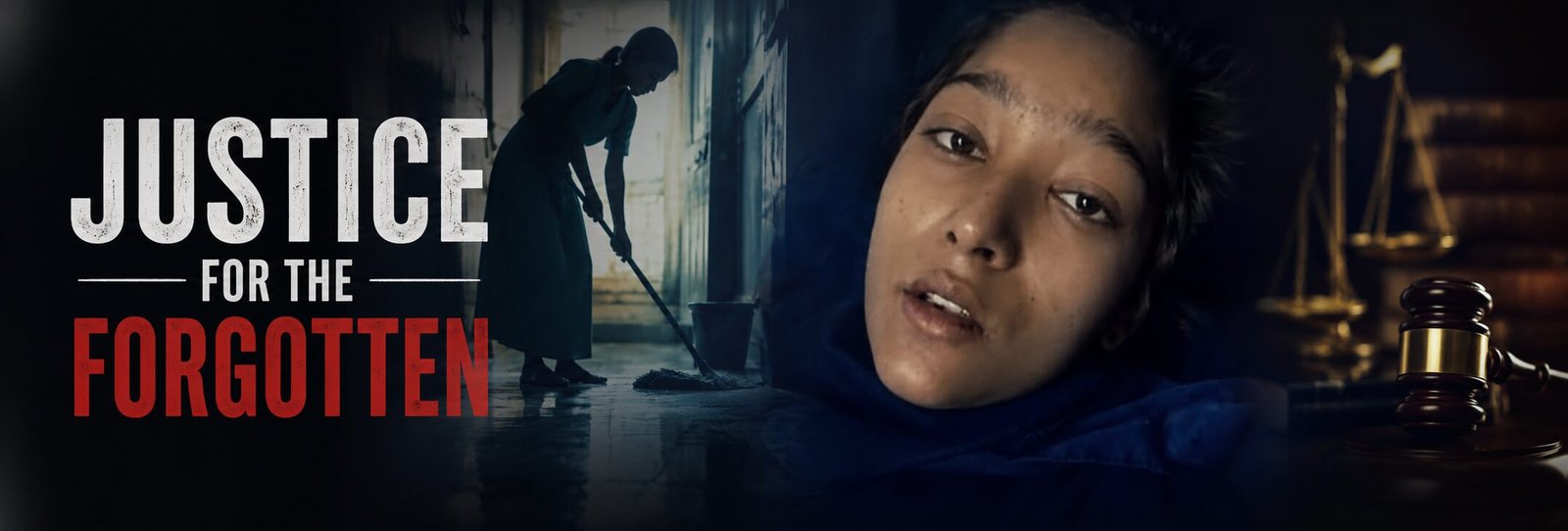

 The tragic death of a teenage domestic worker in Lahore has once again sparked debate over whether Pakistan’s poorest citizens enjoy the same protections and access to justice as the country’s wealthy and influential families.
According to police records, the young woman alleged that she had been repeatedly sexually assaulted by her employer’s son, identified as “Awn Bhai,” and a driver. She reportedly claimed the abuse began last year and continued over several months, including during Ramadan, resulting in a pregnancy.
Investigators allege that after learning of the pregnancy, the employer arranged for an abortion at a private clinic near Raiwind. The teenager’s health reportedly deteriorated following the procedure, and she died two days after being admitted to Lahore’s Services Hospital.
Police have registered a case involving allegations of gang rape and murder. Authorities say the victim’s statement later changed under circumstances that investigators are examining, raising concerns about possible pressure or influence. Notices have been issued to the employers, while a post-mortem examination is expected to play a crucial role in determining the facts surrounding her death.
Beyond the criminal investigation, the case has exposed the vulnerability of domestic workers in Pakistan, many of whom work behind closed doors with little legal protection, limited oversight and few avenues for seeking help.
Human rights advocates argue that had the victim belonged to a wealthy or politically connected family, the public response and speed of accountability might have been very different. They point to a long-standing perception that poor victims often struggle to have their voices heard, while influential suspects are better positioned to access legal resources and social influence.
The death of this young domestic worker has become more than a criminal case. It has become a test of whether justice in Pakistan is truly blind to social status, wealth and power.
As the investigation continues, many Pakistanis are asking a difficult question: Would this case have unfolded differently if the victim had come from an influential family rather than a poor household seeking a better future through domestic work?
For now, that question remains unanswered but for many observers, the case serves as a painful reminder that some of Pakistan’s most vulnerable citizens continue to face extraordinary risks while enjoying the fewest protections.
The allegations remain under investigation and all suspects are presumed innocent unless proven guilty in a court of law.